


Pakistan’s Strategy After Losing to Afghanistan in Tri-Series
The recent defeat of Pakistan at the hands of Afghanistan in the ongoing tri-series has sparked major conversations within cricketing circles, fans, and experts alike. For Pakistan, who have long been considered a cricketing powerhouse, such losses often come with heavy scrutiny but also provide an opportunity to reset strategies, address weaknesses, and prepare better for upcoming tournaments. Let’s take a closer look at what Pakistan’s strategy could be after this setback.
1. Reassessing the Batting Line-Up
One of Pakistan’s persistent challenges has been their inconsistent batting performance. While the top order has occasionally provided a strong start, collapses in the middle order remain a recurring issue. After this loss, Pakistan must:
- Strengthen Middle Order Stability: Relying too heavily on Babar Azam and Mohammad Rizwan has often backfired. Players like Fakhar Zaman, Iftikhar Ahmed, and emerging talents must be groomed to play responsibly under pressure.
- Introduce Power Hitters: Modern cricket demands batters who can accelerate the scoring rate. Pakistan may need to back young hitters like Saim Ayub or experiment with other domestic performers.
- Rotational Policy: Rotating players strategically can help manage fatigue and give fresh talent opportunities.
2. Improving Strike Rotation and Intent
One noticeable issue during the Afghanistan match was the lack of strike rotation and slow scoring in the middle overs. Pakistan’s strategy going forward should involve:
- Emphasizing quick singles and doubles to keep the scoreboard moving.
- Encouraging positive intent rather than defensive cricket, especially in T20 formats.
- Assigning a “finisher role” to a specific player who can absorb pressure and accelerate at the death.
3. Bowling Adjustments
Traditionally, Pakistan has relied on its bowling attack to win matches. However, in the defeat against Afghanistan, some key weaknesses were exposed:
- Over-Reliance on Pace: While bowlers like Shaheen Afridi and Naseem Shah are world-class, Pakistan must balance their pace attack with quality spinners.
- Spin Department Strengthening: Afghanistan’s spinners highlighted how vital spin bowling is in limited-overs cricket. Pakistan should consider giving more chances to Shadab Khan, Usama Mir, and Abrar Ahmed.
- Death Over Strategy: Leaking runs in the final overs has been costly. Pakistan needs to assign specialists for the 18th–20th overs, training them for yorkers, slower deliveries, and variations.

4. Mental Toughness and Handling Pressure
One of the biggest takeaways from the loss is Pakistan’s struggle to perform under pressure. Afghanistan’s aggressive yet composed approach unsettled the Pakistani players. Moving forward, the team needs:
- Sports Psychology Sessions: To improve mental resilience during crunch situations.
- Leadership Support: Babar Azam as captain must inspire confidence, while senior players like Imad Wasim or Shoaib Malik (if recalled) could provide dressing room guidance.
- Match Simulations in Training: Practicing pressure situations in nets can prepare players for real-time scenarios.
5. Backing Young Talent
Pakistan cricket often hesitates to fully trust young talent, but the Afghanistan defeat is a reminder that fresh energy is vital. Players like:
- Saim Ayub (aggressive opener),
- Abrar Ahmed (mystery spinner),
- Mohammad Haris (fearless middle-order batter),
should be given consistent chances to develop confidence instead of being dropped after one or two failures.
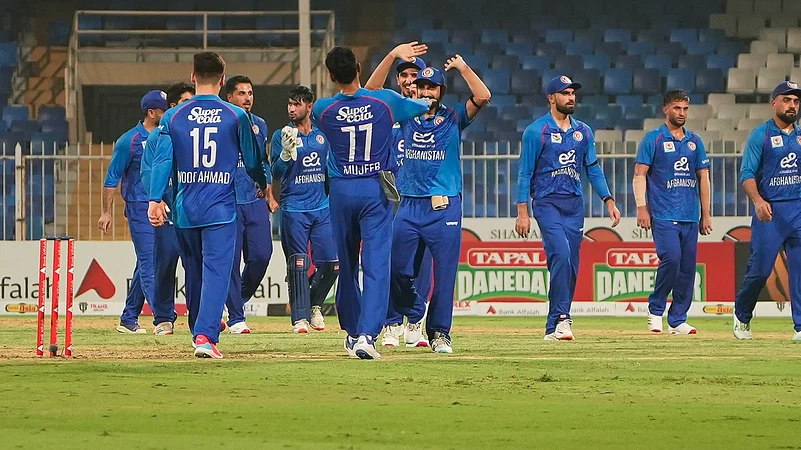
6. Learning from Afghanistan’s Model
It is worth noting that Afghanistan’s rise in cricket has been fueled by fearless batting and lethal spin bowling. Pakistan can take lessons from this:
- Encouraging fearless cricket rather than conservative gameplay.
- Investing in domestic cricket to discover and polish hidden talents.
- Adopting flexible tactics based on opponents and conditions.
7. Focus on Fielding
Modern cricket heavily relies on athletic fielding. Pakistan’s dropped catches and misfields have often shifted momentum in matches. The team must:
- Prioritize fitness training and agility drills.
- Appoint a specialized fielding coach to improve ground fielding and catching techniques.
8. Long-Term Vision: Preparing for Major Tournaments
Instead of short-term fixes, Pakistan’s strategy should focus on the upcoming Asia Cup 2025 and ICC Champions Trophy 2025 (which Pakistan is set to host). This means:
- Building a settled squad well before tournaments.
- Creating a balanced combination of experience and youth.
- Developing match-winning strategies against top teams, not just relying on individual brilliance.

Conclusion
Pakistan’s loss to Afghanistan in the tri-series is not just a defeat—it is a wake-up call. It highlights recurring weaknesses in batting depth, middle-over strategy, and handling pressure. However, this setback also offers an opportunity to regroup, reassess, and restructure.
If Pakistan can blend its world-class pace attack with strong batting intent, fearless young talent, and improved fielding standards, they can bounce back stronger. Losses often build champions, and for Pakistan, this could be the turning point to sharpen strategies for the bigger challenges ahead.


